

 Aug 22 2022
 14 min read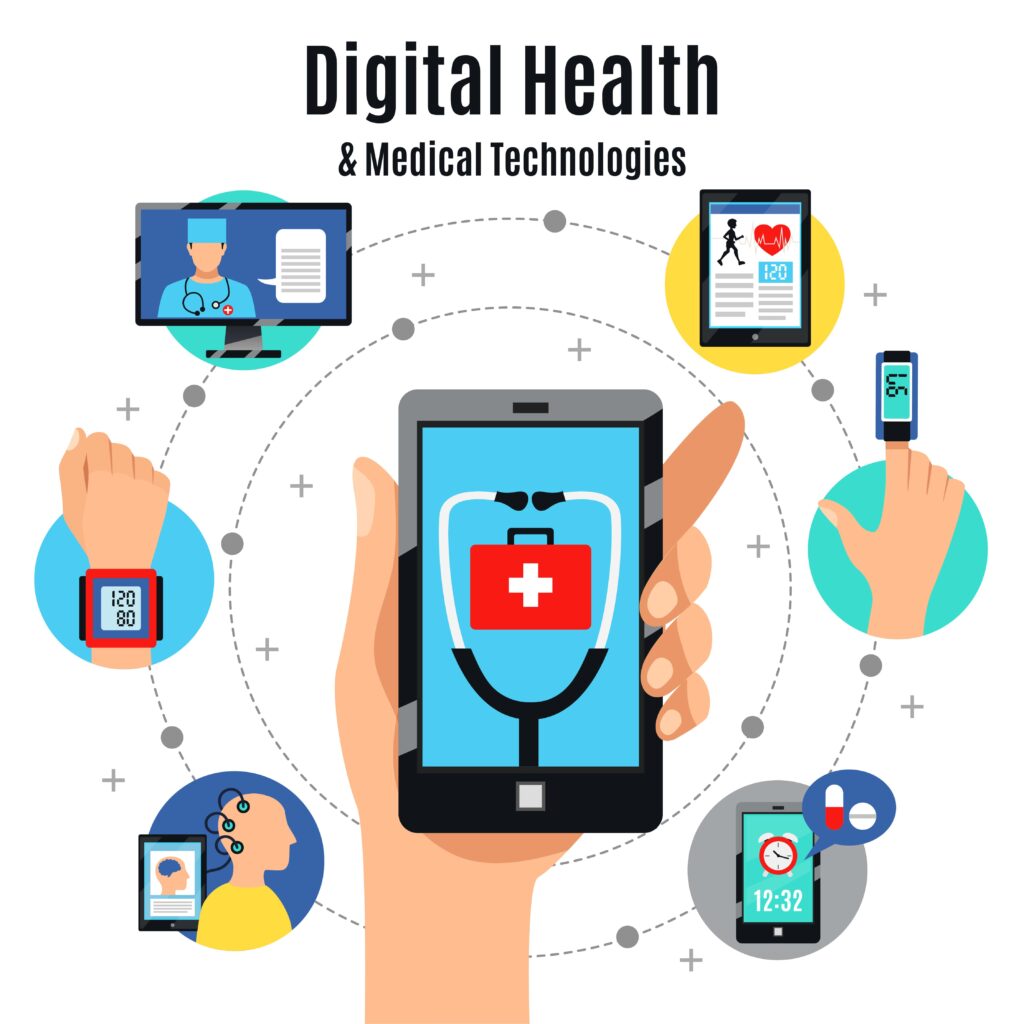
The Internet of Healthcare Things (IoHT), also known as the Internet of Medical Things (IoMT), is reshaping the healthcare landscape. It involves a network of interconnected devices designed to store and transmit patient information securely, offering unprecedented opportunities for improving patient care, enhancing medical practices, and even transforming the health insurance industry.
In this comprehensive guide, we explore the diverse applications of IoHT, its advantages, challenges, and the latest trends shaping the healthcare sector
IoHT, short for the Internet of Healthcare Things, is a network of interconnected computing devices utilized for storing and transmitting patient information. These devices include ingestible sensors that use the FHIR protocol to communicate data over the internet, ultimately creating a digital patient care record.
For Patients: IoHT empowers patients with personalized care through wearable devices such as fitness bands and wireless monitoring equipment. These devices, including blood pressure and heart rate monitors, can send reminders, track vital signs, and provide continuous medical monitoring. This technology is particularly transformative for elderly patients and individuals living alone, offering a safety net for their health.
For Physicians: IoHT enables physicians to monitor patients more effectively by leveraging wearables and home monitoring devices. Physicians can track treatment adherence and assess the need for emergency care, leading to proactive healthcare interventions. Data from IoT devices enhances communication between medical professionals and patients, facilitating more tailored treatment plans and improved outcomes.
For Health Insurance Companies: Health insurers benefit from IoT-connected devices by using health monitoring data for underwriting and claims processing. This data aids in identifying suitable candidates for coverage and detecting fraudulent claims. IoT devices enhance transparency between insurers and clients, providing customers with insights into the decision-making process.
IoMT devices come in various forms:
IoT in healthcare offers numerous benefits:
IoMT also presents unique challenges:
Several trends are shaping IoMT in 2022:
The Internet of Healthcare Things is revolutionizing healthcare by providing real-time data, personalized care, and cost-effective solutions. IoMT devices are reshaping patient care records, enhancing communication between patients and healthcare providers, and driving innovations in healthcare. As IoMT continues to evolve, it holds the promise of further improving the quality and accessibility of healthcare services.
Rang Technologies, based in New Jersey, has dedicated over a decade to delivering innovative staffing solutions and the best talent to help businesses of all sizes unlock the full potential of the latest technologies and build high-performing teams to achieve their digital transformation goals.